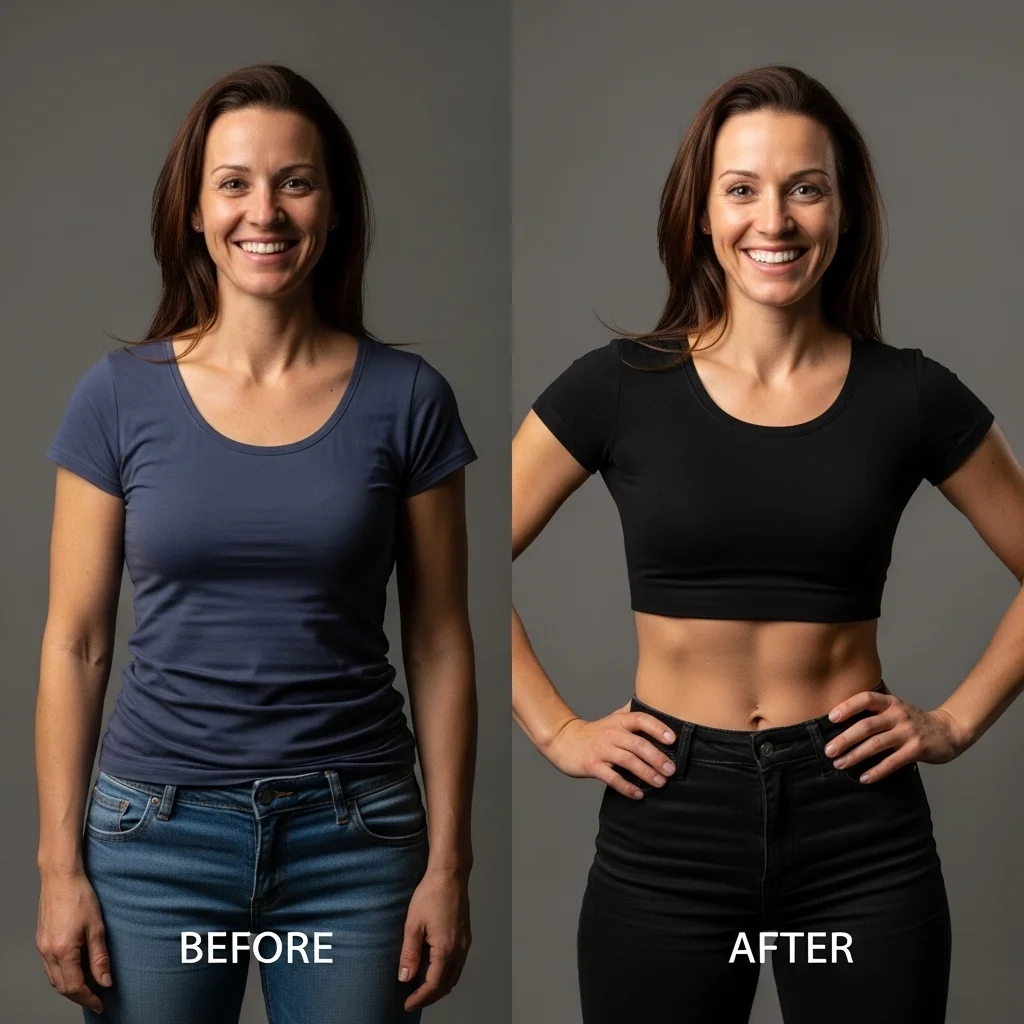

Keto and intermittent fasting (IF) are two of the most popular diet strategies of the last decade. Combine them and you get something greater than the sum of its parts — if you do it right.
Done wrong, you’ll feel terrible, lose muscle, and quit. Done right, you’ll burn fat faster, have more energy, and feel less hungry than on either approach alone.
Why Keto + IF Work Better Together
The synergy is real and backed by science:
1. Keto Makes Fasting Easier
The #1 reason people fail at fasting is hunger. But when you’re keto-adapted, your body efficiently burns stored body fat for fuel. Your blood sugar is stable. Your hunger hormones (ghrelin) normalize. You can go 16+ hours without food and barely notice.
On a carb-based diet, fasting is torture — your blood sugar crashes every 3-4 hours. On keto, your body barely notices the difference between “fed” and “fasting” because it’s always burning fat.
2. Fasting Deepens Ketosis
Ketosis means your liver is producing ketones from fat. When you fast, insulin drops to baseline, which signals your liver to produce more ketones. So fasting puts you into deeper ketosis faster.
Studies show that combining keto with 16:8 fasting increases blood ketone levels by 50-100% compared to keto alone.
3. Longer Low-Insulin Window = More Fat Burning
Insulin is a fat-storage hormone. When insulin is high, your body stores fat. When it’s low, your body burns fat.
- Keto keeps insulin low all day
- Fasting extends the low-insulin window even longer
- The longer insulin stays low, the more fat you burn
4. Natural Calorie Restriction
Eating in an 8-hour window naturally restricts calories — it’s hard to overeat when you have less time to do it. Studies show people eating in an 8-hour window consume 200-500 fewer calories per day without trying.
Which Fasting Protocol Works Best?
16:8 — The Sweet Spot (Recommended)
Fast for 16 hours, eat in an 8-hour window. Most people eat from 12 PM to 8 PM or 11 AM to 7 PM.
Why it works:
- Sustainable long-term
- Fits normal social life (you still eat dinner)
- Easy to maintain on keto
- Delivers most of the benefits
18:6 — Faster Results, Harder to Maintain
Fast for 18 hours, eat in a 6-hour window. Usually 1 PM to 7 PM.
Why it works:
- Deeper ketosis
- More fat burning
- Slightly faster weight loss
Why it’s harder:
- Only two real meals per day
- Harder to get enough protein
- More social friction
OMAD (One Meal a Day) — Not Recommended for Most
Eat all your calories in one meal, fast for 23 hours.
Pros: Maximum autophagy (cellular repair), deepest ketosis, rapid weight loss.
Cons: Very hard to eat enough protein in one meal, social isolation, potential muscle loss, can lead to disordered eating patterns.
If you’re a woman, be cautious with extended fasting. Women’s hormones are more sensitive to caloric restriction. 16:8 is usually fine; OMAD or multi-day fasts can disrupt menstrual cycles. Start with 12:12 and see how you feel.
How to Start Keto + IF (Step by Step)
Week 1-2: Get Keto-Adapted First
Don’t start both at once. Get on keto first, let your body adapt (2-3 weeks). Once you’re comfortably in ketosis and not fighting hunger all day, then add IF.
Why this order matters: If you start fasting while still carb-adapted, you’ll be miserable — hungry, low-energy, and likely to quit.
Week 3: Start with 12:12
Fast for 12 hours overnight (e.g., 8 PM to 8 AM). This is barely “fasting” — most people already do this naturally. But it starts training your body.
Week 4: Move to 14:10
Push breakfast back to 10 AM. Eat from 10 AM to 8 PM.
Week 5: Try 16:8
Skip breakfast entirely. Eat from 12 PM to 8 PM. Have coffee or water in the morning.
Week 6+: Settle on Your Sweet Spot
Find the window that works for your life. For most people, that’s 16:8. Some naturally fall into 14:10 or 18:6. Listen to your body.
What to Drink During the Fast
Allowed:
- Water (still or sparkling)
- Black coffee
- Plain tea (no sugar, no milk)
- Electrolytes (sodium, potassium, magnesium — see our electrolytes guide)
Not allowed:
- Anything with calories
- MCT oil or butter (this breaks the fast — “bulletproof coffee” is not fasting)
- Bone broth (has calories and protein)
- Sweetened drinks or “zero calorie” drinks with artificial sweeteners (debatable, but they can trigger insulin response in some people)
Quick Tip
Coffee is your best friend during the fast. It suppresses appetite, boosts ketone production, and contains zero calories. Just don’t add cream or MCT oil if you’re trying to maintain a clean fast.
What to Eat in Your Eating Window
When you combine keto + IF, what you eat in your window matters even more — you have less time to get your nutrients.
Prioritize Protein
Aim for 20-40g of protein per meal. Good sources:
- Eggs, chicken, beef, pork, fish
- Greek yogurt (full-fat)
- Cheese
Don’t Skimp on Vegetables
You need fiber, vitamins, and minerals. Include:
- Leafy greens (spinach, kale, arugula)
- Cruciferous vegetables (broccoli, cauliflower, Brussels sprouts)
- Avocado
Hit Your Electrolytes
Fasting + keto = massive electrolyte loss. See our keto electrolytes guide for the exact targets, but the short version:
- 3,000-5,000mg sodium
- 1,000-3,000mg potassium
- 300-400mg magnesium
Example 16:8 Meal Plan
12 PM — First Meal (lunch):
- 3 eggs scrambled with spinach and cheese
- 2 slices of bacon
- Half an avocado
3 PM — Snack (optional):
- Handful of almonds or macadamia nuts
- Or: cheese and olives
6 PM — Dinner:
- 6 oz salmon or steak
- Roasted broccoli with butter
- Side salad with olive oil dressing
7:30 PM — Last Meal (optional):
- Greek yogurt with chia seeds
- Or: a few squares of 90% dark chocolate
Common Mistakes to Avoid
1. Starting Both at Once
Get keto-adapted first (2-3 weeks), then add fasting. Otherwise you’ll be miserable.
2. Not Eating Enough During the Window
It’s easy to undereat when you have an 8-hour window. If you’re losing weight too fast (>2 lbs/week) or feeling weak, eat more during your window.
3. Binge Eating When the Window Opens
The first meal after fasting should be normal-sized. If you eat 2,000 calories in the first hour, you’ve defeated the purpose.
4. Breaking the Fast with Carbs
If your first meal has carbs (even “healthy” ones like fruit), you’ll spike insulin and undo the fat-burning state. Start with protein and fat.
5. Ignoring Electrolytes
Fasting depletes electrolytes faster than keto alone. If you feel terrible, it’s probably not the fasting — it’s low sodium or magnesium. See our electrolytes guide.
Who Should NOT Combine Keto + IF
- Pregnant or breastfeeding women — need consistent nutrition
- People with a history of eating disorders — fasting can trigger restrictive patterns
- People on diabetes medication — risk of hypoglycemia
- People who are underweight — fasting is for fat loss, not for everyone
- Athletes in training — training performance may suffer on a fasting protocol
- People with high cortisol/adrenal issues — fasting adds stress to the body
Key Takeaway
Keto + intermittent fasting is a powerful combination: keto makes fasting easier, and fasting deepens ketosis. Start with keto first, then add 12:12 and work up to 16:8. Prioritize protein and electrolytes, and don’t force it if your body isn’t ready.
Related Reading
- Keto for Beginners: The Complete Starter Guide
- Keto Electrolytes: The Complete Guide
- How to Get into Ketosis Fast
- Not Losing Weight on Keto? 9 Reasons & Fixes
- Keto Meal Prep for Beginners
Recommended Kitchen Gear
For making quick keto meals in your eating window, a good blender for bulletproof coffee and an air fryer for keto cooking can save you serious time when you only have 8 hours to eat.