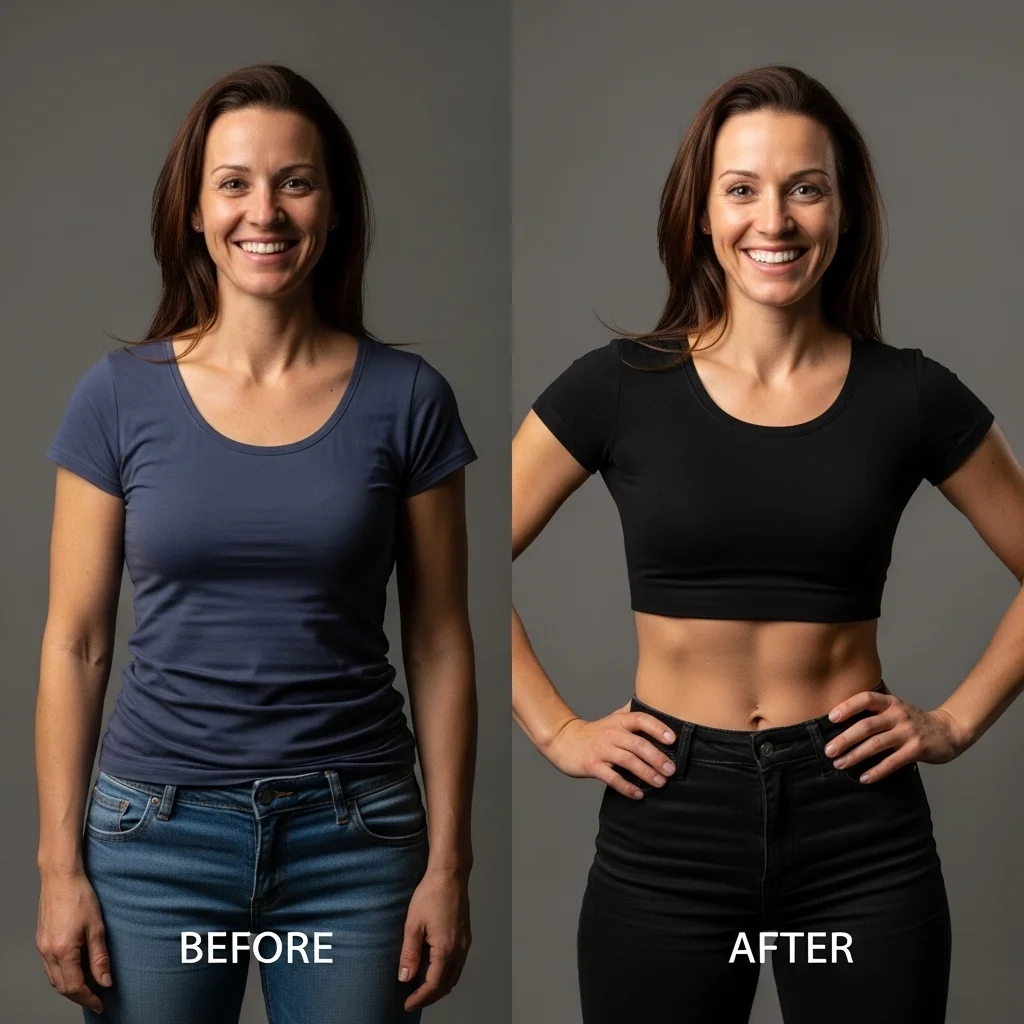

Keto and intermittent fasting are two of the most popular approaches to weight loss and metabolic health, and people constantly ask which is “better.” The honest answer: they’re not competing diets — they work on different levers, and they combine exceptionally well. Keto changes what you eat; intermittent fasting changes when you eat. Many people use them together for a powerful one-two punch.
Understanding how each works helps you decide whether to use one, the other, or both. And if you’re already doing keto, you may find that intermittent fasting is a natural, easy addition.
If you’re new to keto, our keto basics guide covers the fundamentals. And if you’ve been comparing diets, you’ll also want our keto vs paleo and keto vs Mediterranean comparisons.
What Each Approach Actually Does
Keto (controls WHAT you eat)
Keto restricts carbs to 20-50g/day to deplete your body’s glucose stores and force it into ketosis — burning fat (and fat-derived ketones) for fuel instead of carbohydrates. It works by:
- Lowering insulin (the fat-storage hormone)
- Suppressing appetite through high fat and protein
- Shifting your metabolism to fat-burning
Intermittent Fasting (controls WHEN you eat)
Intermittent fasting doesn’t restrict specific foods — it restricts when you can eat. Common patterns include 16:8 (fast 16h, eat in an 8h window), 18:6, or 20:4. It works by:
- Creating a calorie deficit through fewer eating hours
- Lowering insulin during the fasting window
- Allowing the body to run on stored fat between meals
The Key Insight
Keto and fasting target the SAME mechanism — lowering insulin and shifting to fat burning — but from different angles. Keto lowers insulin by what you eat; fasting lowers insulin by when you don’t eat. That’s why they stack so well together.
How Keto and Fasting Reinforce Each Other
When combined, the two approaches amplify each other in several ways:
- Fasting deepens ketosis. When you’re fasted, your body runs out of glucose and produces more ketones. If you’re already on keto, fasting takes you into a deeper, more efficient ketosis.
- Keto makes fasting easier. Because keto stabilizes blood sugar and suppresses appetite, you’re far less likely to feel hungry or get “hangry” during a fast. Many people say keto makes 16-hour fasts feel effortless.
- Both lower insulin. The combined insulin-lowering effect can be powerful for insulin resistance and metabolic health.
- Fat-adaptation improves endurance. Fat-adapted (keto) bodies run well on stored fat, which pairs naturally with the fat-burning demands of a fasting window.
Keto first, fasting second
If you’re new to both, start with keto alone for 2-4 weeks until you’re fat-adapted and your appetite is stable. Then add a gentle 16:8 fasting window. Fasting is much easier once keto has stabilized your blood sugar and hunger.
How to Combine Them (Practical Guide)
The beginner combo: Keto + 16:8
- Eat keto meals within an 8-hour window (e.g., noon to 8pm)
- Fast for 16 hours overnight (8pm to noon next day)
- Best for: Most people starting out
The intermediate combo: Keto + 18:6
- Keto meals within a 6-hour window (e.g., 1pm to 7pm)
- Fast for 18 hours
- Best for: Those who’ve adapted to 16:8
The advanced combo: Keto + one meal a day (OMAD / 20:4)
- One large keto meal, or meals within a 4-hour window
- Fast for 20+ hours
- Best for: Experienced fasters, not beginners
Don't Over-Restrict at First
Combining strict keto with aggressive fasting (like OMAD) is powerful but can be a shock to the system. If you feel exhausted, dizzy, or unwell, widen your eating window or relax your carb limit. Sustainability beats intensity — the best combo is the one you can maintain.
Potential Downsides to Watch For
Combining keto and fasting has real benefits, but it’s not for everyone. Watch for:
- Electrolyte depletion — both keto and fasting can deplete sodium, potassium, and magnesium. Salt your food and consider electrolytes, especially when active. See our keto electrolytes guide.
- Low energy early on — the transition to fat-adaptation plus fasting can feel rough for the first week or two.
- Not for certain conditions — fasting isn’t recommended for pregnant women, people with a history of eating disorders, or those with certain medical conditions. Talk to your doctor.
- Stress/cortisol — some people find fasting raises cortisol, which can affect sleep and hormones, especially women.
Which Should You Choose?
Choose keto alone if:
- You want to change what you eat and how your body fuels itself
- You’re not interested in time-based eating
- You prefer to control food choices over eating windows
Choose intermittent fasting alone if:
- You don’t want to give up specific foods (you can eat carbs in your window)
- You like the simplicity of a time-based rule
- You struggle with portion control and benefit from fewer eating hours
Combine both if:
- You want maximum fat-burning and insulin-lowering effect
- You’re ready to be fat-adapted and want to deepen ketosis
- You want the easiest fasting experience possible
The Bottom Line
Keto and intermittent fasting aren’t competitors — they’re complementary tools that work on different levers. Keto controls what you eat; fasting controls when you eat. Together they lower insulin and promote fat burning from two angles, and keto actually makes fasting easier by stabilizing blood sugar and suppressing appetite. Start with keto alone, then add a 16:8 window once you’re fat-adapted. Combine them if you want the strongest metabolic effect — just ease in and watch your electrolytes.
If you’re building your keto approach, our understanding macros guide explains how to set your protein, fat, and carb targets. And for managing the early keto transition, the keto flu guide covers the symptoms and fixes.