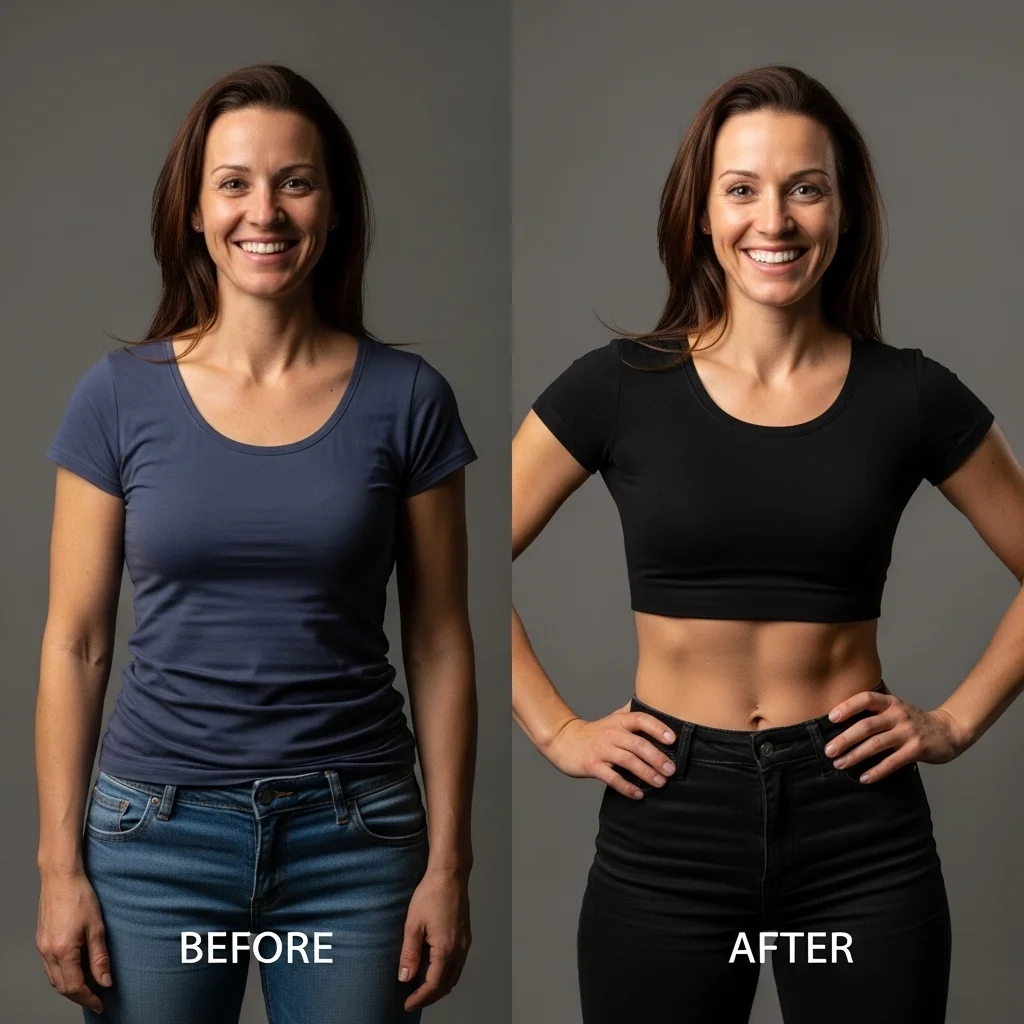

Polycystic ovary syndrome (PCOS) affects an estimated 1 in 10 women of reproductive age, and at its core is a metabolic issue: insulin resistance. When your body doesn’t use insulin efficiently, your pancreas pumps out more, and that elevated insulin drives the hormonal cascade — excess androgens, irregular periods, weight gain, and fertility challenges — that define PCOS.
That’s exactly why the ketogenic diet is so relevant. Keto is, at its heart, an insulin-lowering diet. By drastically reducing carbohydrate intake, you give your body less to spike your blood sugar and insulin, which addresses the root metabolic driver of PCOS rather than just treating symptoms.
This is not medical advice — PCOS is complex and you should work with your healthcare provider. But understanding how keto interacts with insulin and PCOS can help you make an informed decision with your doctor.
If you’re new to keto, start with our keto basics guide and understanding macros guide so you understand how the diet works before adapting it for PCOS.
The PCOS-Keto Connection: It’s About Insulin
The clearest link between keto and PCOS is insulin resistance. Here’s the simplified chain:
- Your cells become less responsive to insulin (insulin resistance).
- Your pancreas produces MORE insulin to compensate (hyperinsulinemia).
- High insulin signals your ovaries to produce excess androgens (like testosterone).
- Excess androgens cause irregular periods, acne, and excess hair growth.
- High insulin also promotes fat storage, especially around the abdomen.
By cutting carbohydrates, keto keeps blood sugar low and steady, which means your body needs less insulin. Lower insulin → lower androgens → more regular cycles for many women.
What the Research Shows
Several small studies have found that low-carb and ketogenic diets improve markers in women with PCOS — including reduced fasting insulin, lower free testosterone, more regular menstrual cycles, and weight loss. This is promising but the research base is still developing. Treat keto as a tool to discuss with your doctor, not a guaranteed cure.
Keto for PCOS: What to Eat (The Anti-Inflammatory Low-Carb Framework)
The best keto approach for PCOS goes beyond just “low carb” — it’s also anti-inflammatory. PCOS is linked to chronic low-grade inflammation, so the quality of your fats and proteins matters as much as the carb count.
Eat these (PCOS-friendly keto)
- Protein: Eggs, chicken, turkey, wild-caught fish (salmon, sardines), lean beef
- Healthy fats: Avocado, olive oil, nuts (walnuts, almonds), seeds (chia, flax, pumpkin)
- Low-glycemic vegetables: Leafy greens, broccoli, cauliflower, zucchini, asparagus, cucumber, bell peppers
- Some berries (in moderation): strawberries, blueberries, raspberries
- Full-fat, plain dairy (if you tolerate it): Greek yogurt, hard cheese
- Herbs and spices: Turmeric, cinnamon, ginger (anti-inflammatory)
Avoid these (PCOS aggravators)
- Refined carbs and sugar — white bread, pasta, pastries, soda, candy
- Highly processed “keto” foods — often contain inflammatory seed oils and additives
- Trans fats and industrial seed oils — soybean, corn, canola, sunflower oils
- Excessive alcohol
- Very high-glycemic vegetables — white potatoes, corn
Skip the Inflammatory Keto Junk
Not all low-carb food is PCOS-friendly. Many “keto” processed snacks are fried in industrial seed oils and packed with additives — exactly the inflammatory inputs that can worsen PCOS. For PCOS, prioritize whole, anti-inflammatory foods over keto-branded treats.
Key Nutrients for PCOS on Keto
PCOS often comes with specific nutritional needs that keto can support if you’re intentional:
- Magnesium — supports insulin sensitivity and reduces stress. Find it in leafy greens, nuts, seeds, and (if needed) a supplement.
- Inositol (myo-inositol) — one of the most-studied supplements for PCOS; it improves insulin sensitivity and ovulation. This isn’t a carb — it’s a supplement you can take alongside keto.
- Omega-3 fatty acids — anti-inflammatory, support hormone balance. Find them in fatty fish, chia seeds, flaxseed.
- Vitamin D — many women with PCOS are deficient, and it matters for hormone and metabolic health.
- Chromium and zinc — support insulin and hormonal function; found in meat, nuts, and seeds.
The inositol bonus
Myo-inositol is arguably the best-researched supplement for PCOS, and it pairs beautifully with a low-carb diet. Many women combine a whole-food keto approach with inositol for a two-pronged attack on insulin resistance. Discuss dosing with your doctor.
Sample Keto-for-PCOS Day
Breakfast
- 2-3 egg veggie omelet (spinach, peppers) cooked in olive oil
- Half an avocado
Lunch
- Grilled salmon with a large mixed green salad, olive oil, and a handful of walnuts
- Berries on the side
Dinner
- Grilled chicken thigh
- Roasted broccoli and zucchini with olive oil and garlic
- Cauliflower mash with butter
Snack (optional)
- Plain full-fat Greek yogurt with a few raspberries and chia seeds
- Or a handful of almonds
Estimated macros: ~20-30g net carbs, moderate-to-high protein, healthy fats. The focus is steady energy and low insulin, not extreme fat loading.
What to Watch Out For (Honest Caveats)
Keto isn’t universally perfect for PCOS. Here are the real caveats:
- Stress matters. For some women, a very restrictive diet raises cortisol, and high cortisol can also disrupt cycles. If strict keto is stressing you out, a more moderate low-carb approach may serve you better.
- Don’t undereat. PCOS weight loss is common, but crash dieting can backfire on hormones. Keep calories adequate and prioritize protein.
- Missed periods are a warning. If your cycle stops or becomes irregular on keto, talk to your doctor — it may be a sign to adjust.
- Medical supervision is smart. If you’re on medication for PCOS (metformin, birth control, or others), changing your diet can affect how they work. Coordinate with your doctor.
- PCOS isn’t one thing. There are different PCOS phenotypes. What works for one woman may not work for another. Keto is a tool, not a one-size-fits-all answer.
The Bottom Line
Keto can be a powerful tool for PCOS because it directly targets the insulin resistance that drives many PCOS symptoms. Pair a whole-food, anti-inflammatory low-carb approach with key nutrients like magnesium and inositol, keep stress managed, and work closely with your healthcare provider. For many women, this combination helps restore more regular cycles and better hormone balance.
If you’re just getting oriented on what fits into a low-carb lifestyle, our keto grocery list has a clean breakdown of foods to stock. And if you’re weighing keto against other approaches for PCOS or general health, the keto vs. Mediterranean guide compares two popular, hormone-friendly ways of eating.